
Discover
Batumi, Ajara & beyond
An editorial guide to Georgia's Black Sea coast - the city, the mountains, the food, and the practical things you need to know before you arrive.
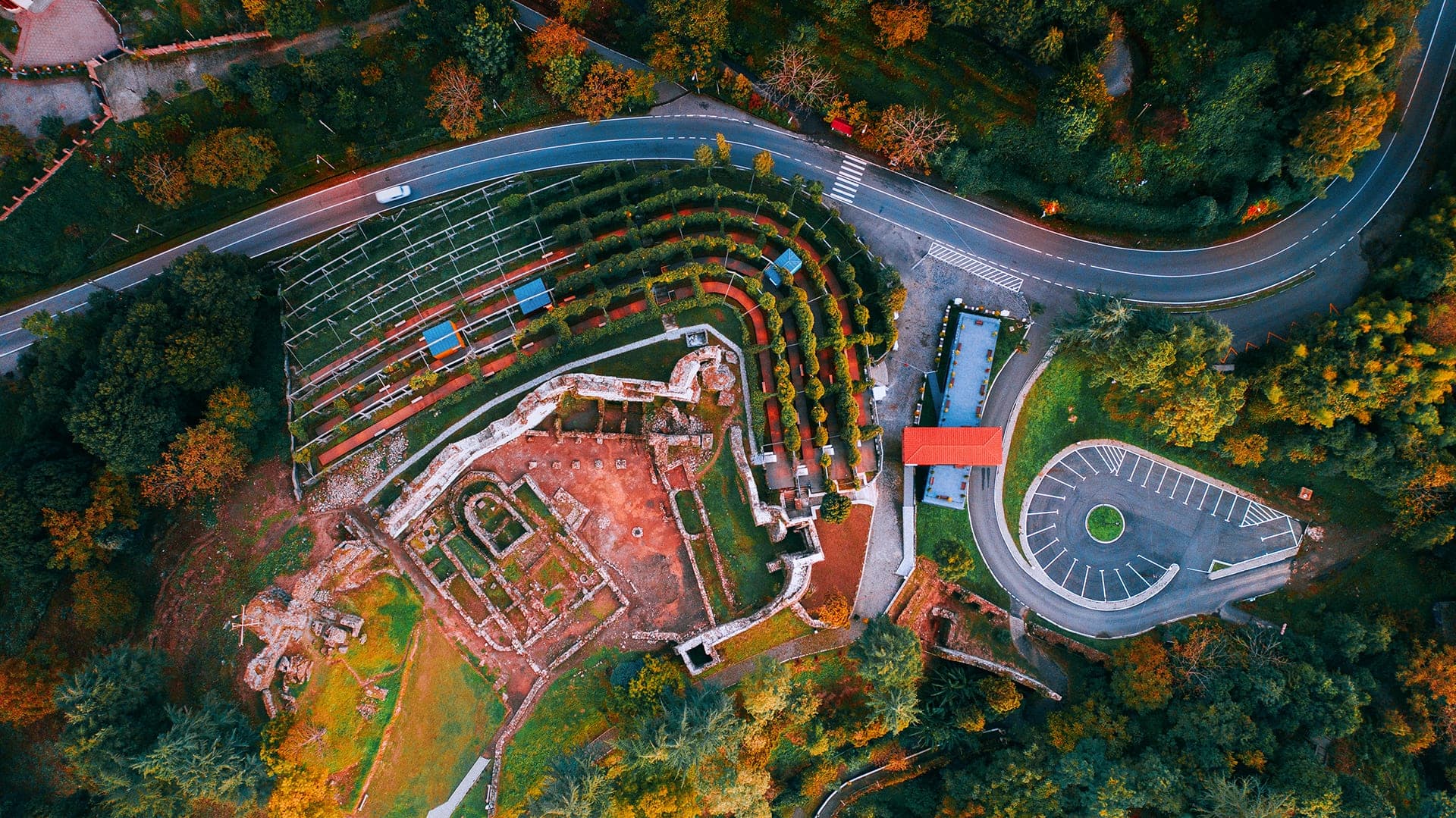
Ancient land, timeless soul.
One of the world's oldest nations - a compact but extraordinary country stretching across 69,700 km² and millennia of living culture.
Hover to read moreAncient land, timeless soul.
Georgia is home to around 3.7 million people and a unique alphabet that is itself a work of art - one of only 14 scripts in the world. Its architecture, folk traditions, and polyphonic singing will make you feel like you have stepped back through centuries in the best possible way.
The country's landscapes shift dramatically, from subtropical coastlines to snow-capped Caucasus peaks. UNESCO World Heritage Sites include the ancient capital of Mtskheta, the Gelati Monastery, the remote highland region of Upper Svaneti, and the Georgian Alphabet itself. Georgian polyphonic singing also holds a proud place on the UNESCO Intangible Cultural Heritage List.
And then there is the food and wine. Georgia is widely considered the birthplace of winemaking, with a tradition going back 8,000 years - the land that gave the world honey, wheat, over 500 varieties of grapes, and a cheese culture that will make any dairy lover feel right at home.
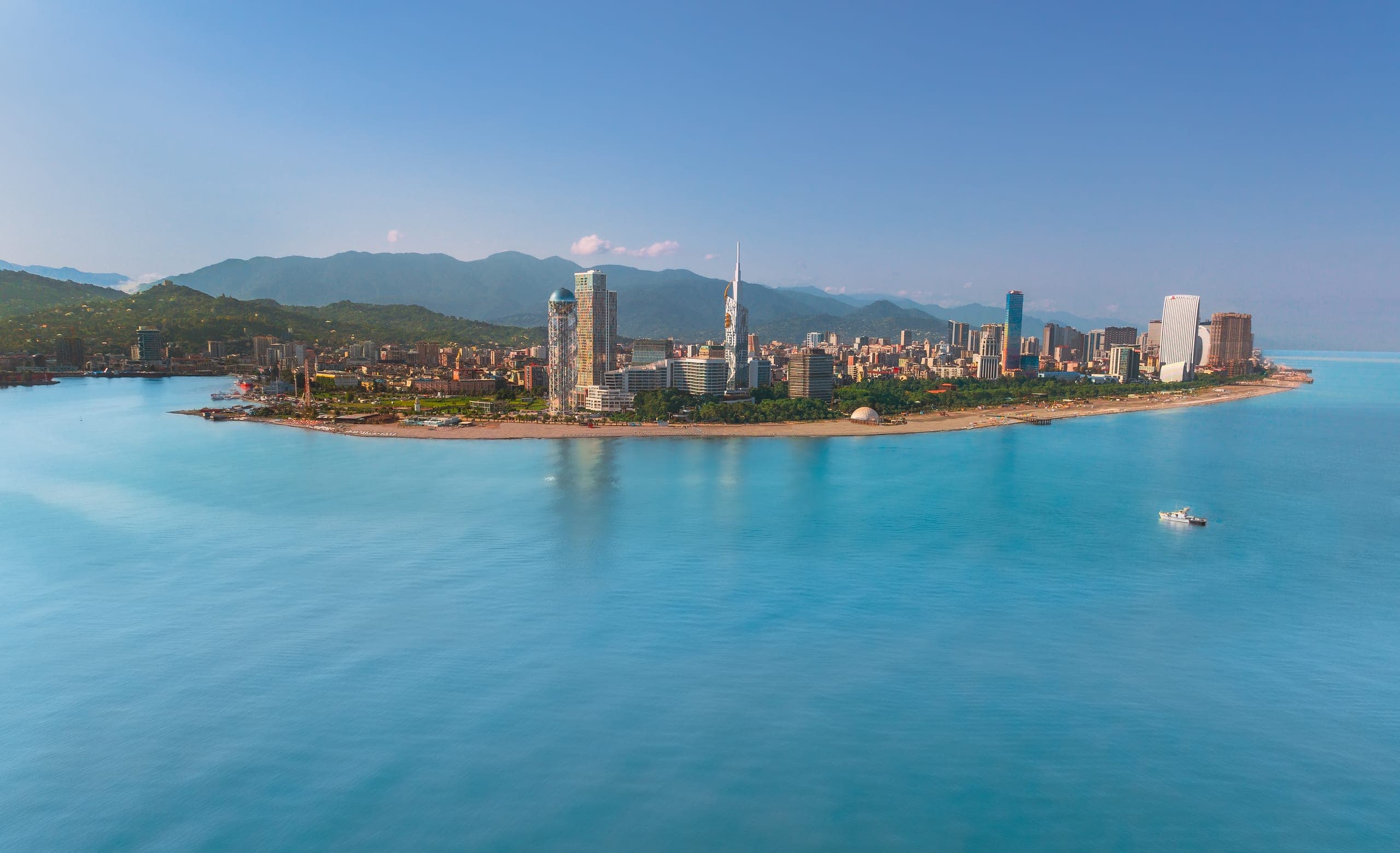
Where the Black Sea meets the mountains.
Set on the sun-drenched coast of the Black Sea, framed by the dramatic ridges of the Caucasus - simultaneously laid-back and buzzing with energy.
Hover to read moreWhere the Black Sea meets the mountains.
Batumi's skyline mixes bold modern architecture with beautifully preserved historic districts, and its atmosphere is one of genuine warmth and curiosity. It has earned the title of "Europe's Leading All-Season Destination" - whatever the time of year, there's always something happening.
Stroll the famous Batumi Boulevard, a sweeping promenade hugging the waterfront where locals and visitors mingle against a backdrop of sea views and glowing sunsets. Explore the extraordinary Botanical Garden, one of the most diverse collections of flora in the Caucasus. Soak up the city's festival culture, architectural wonders, and lively gastronomy scene.
Beyond the city, adventure is never far. The surrounding mountains open up incredible opportunities for hikers, nature lovers, and those simply looking to escape into something truly wild. For those with a business eye, Batumi's rapid growth, liberal tax environment, and investor-friendly legislation have made it one of the most attractive emerging business destinations in the region.
Explore Batumi.
A visual tour of the city and its surroundings, grouped by theme. Hover a box to bring it forward, and use the arrows or dots to slide through each collection.
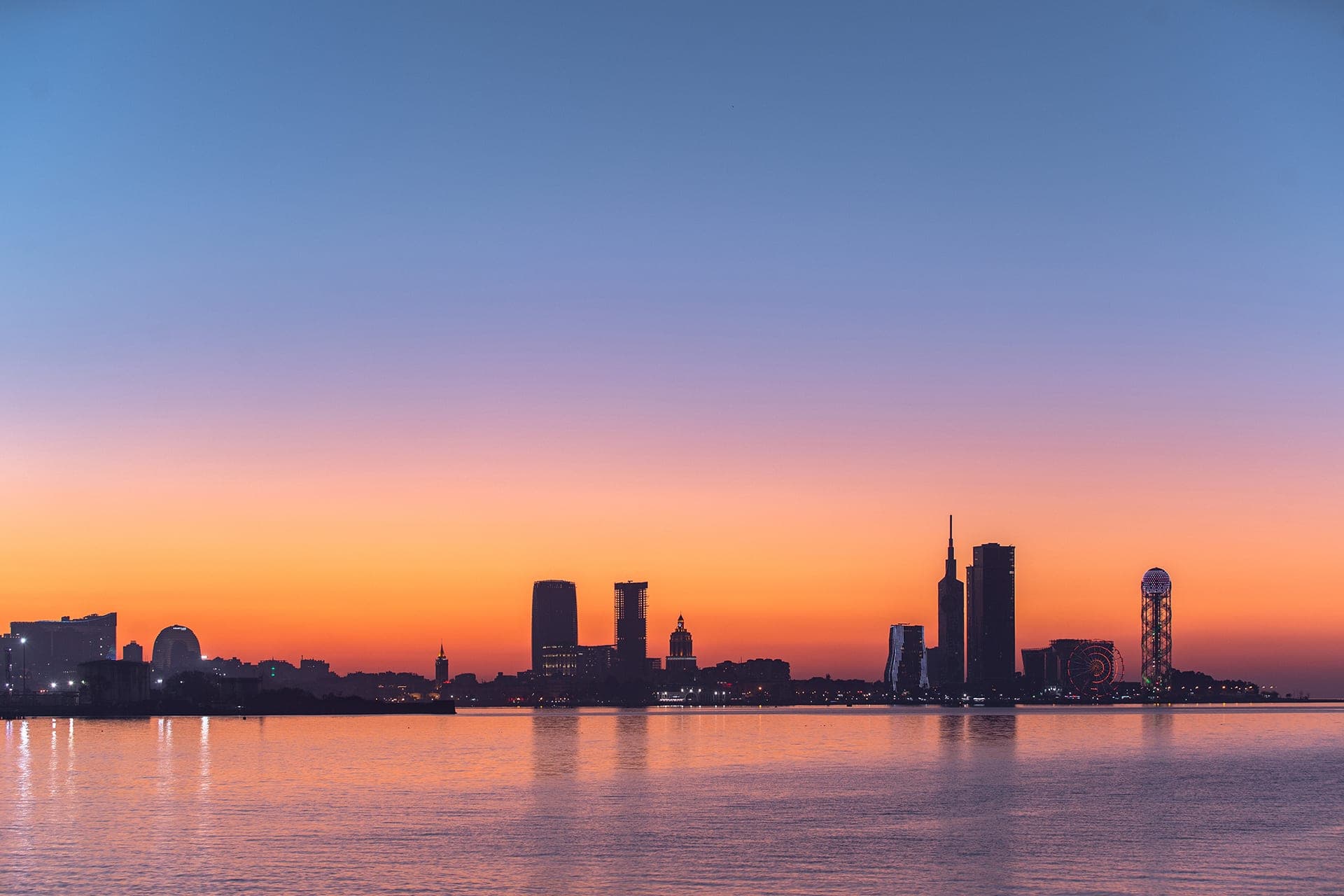
City & Skyline
Bold modern towers and the glow of the coast after dark.
City Sights
Old-town squares, colonnades, street art and everyday Batumi.

Nature & Mountains
Waterfalls, forests and the green ridges of the Ajara highlands.
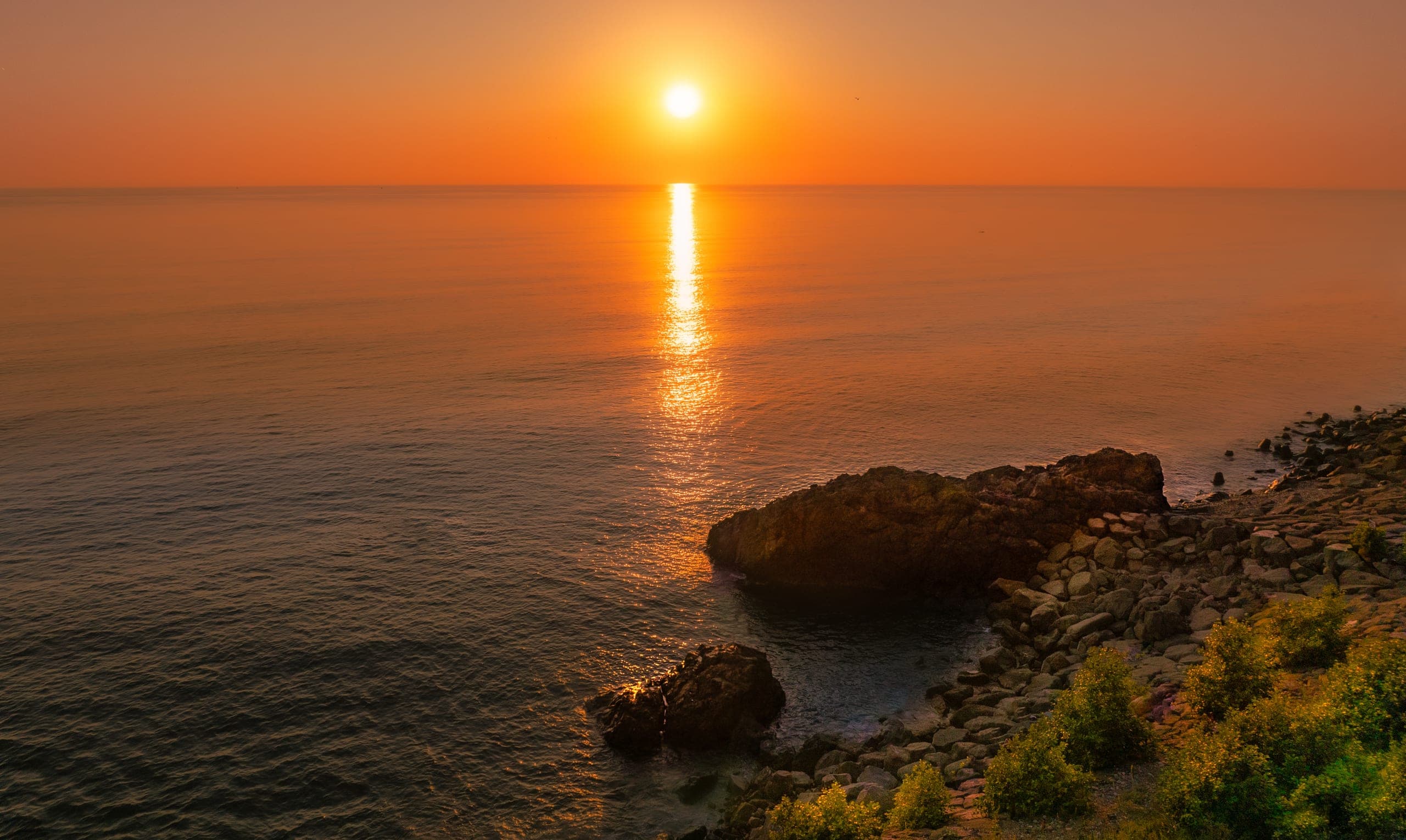
Sea & Coast
The Black Sea, the beach and the harbour.
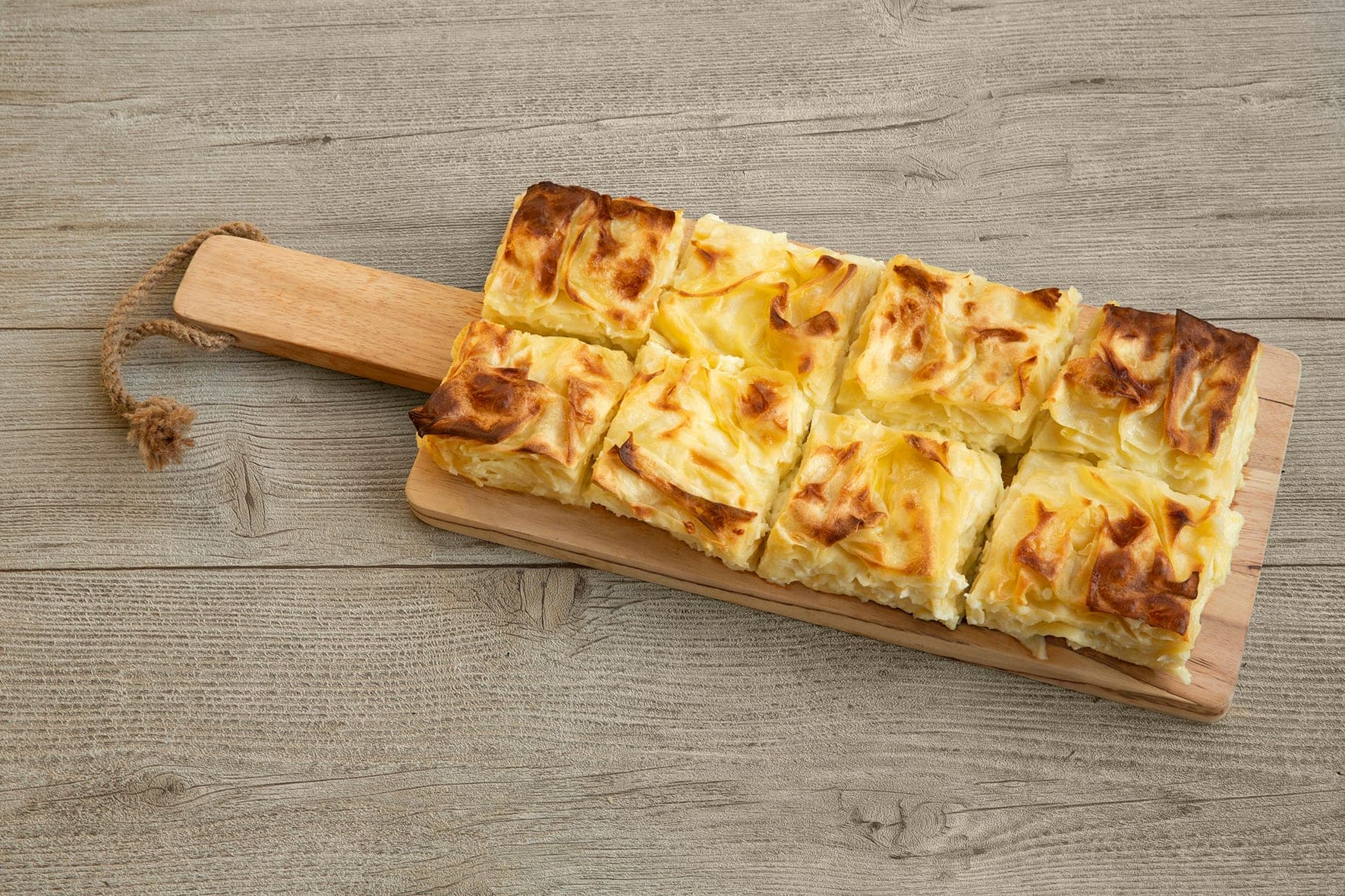
Ajarian Flavours
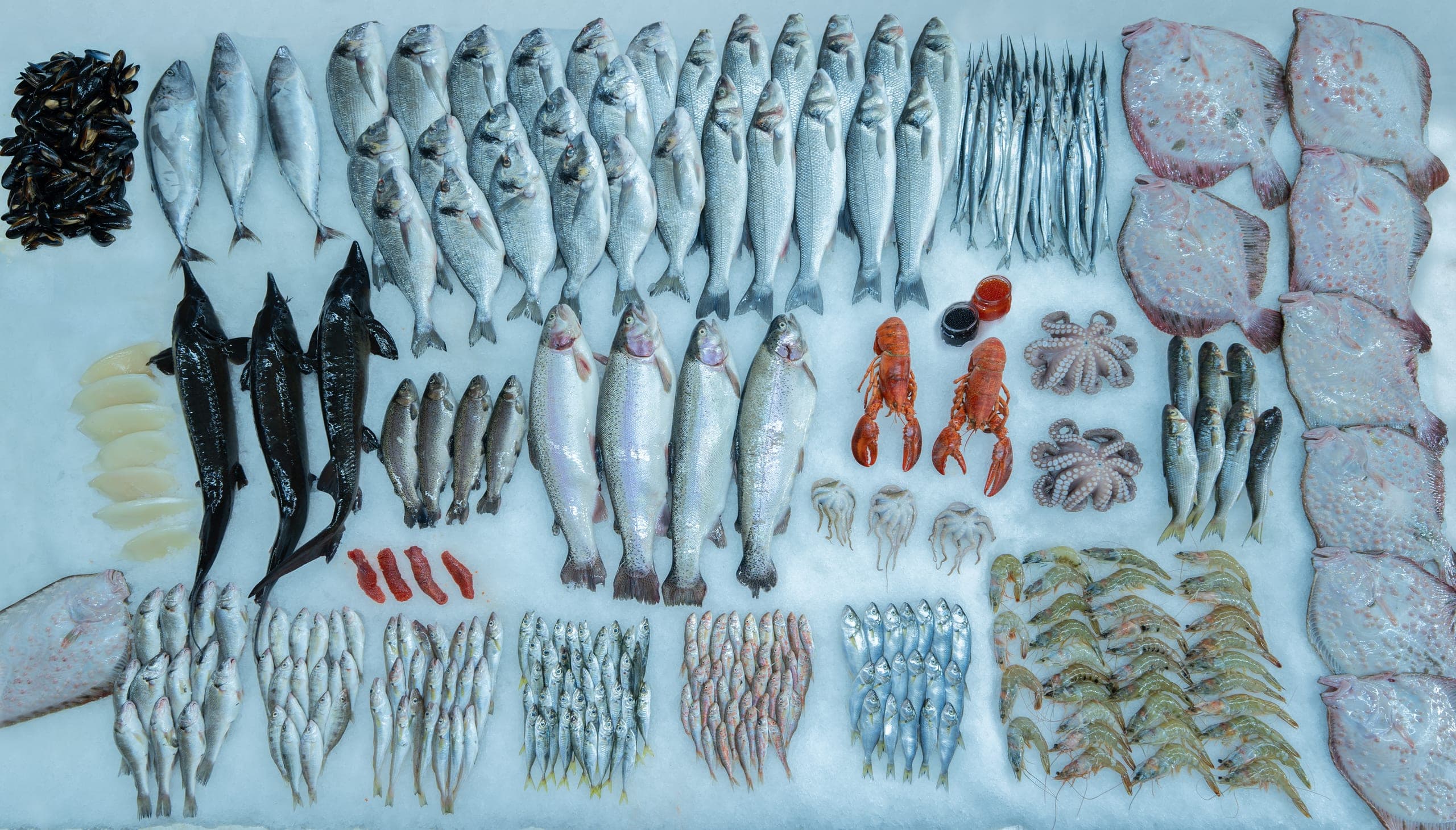
Fresh Black Sea fish, mountain cheese and the famous boat-shaped khachapuri.
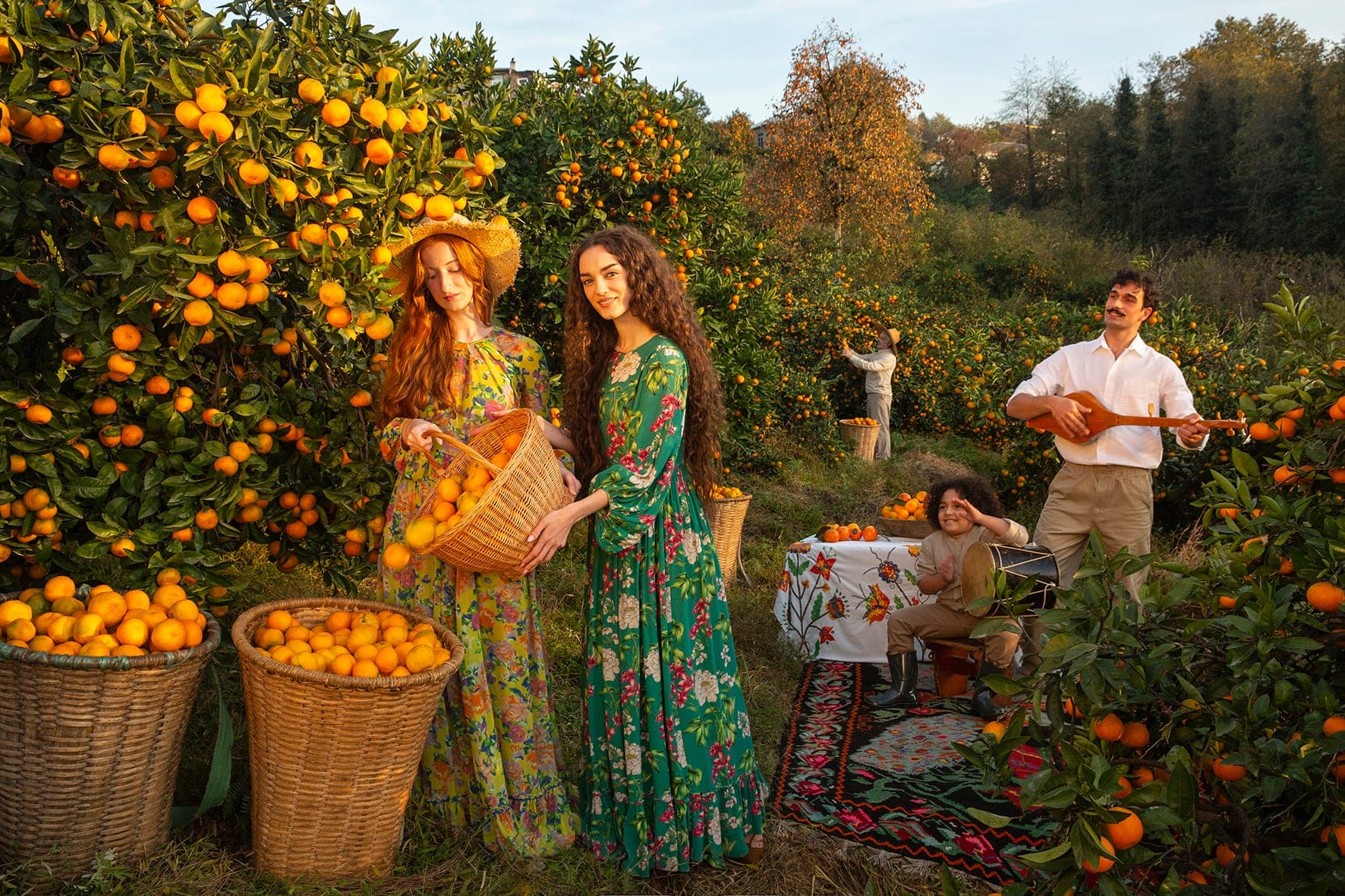
Landmarks & Life
Ali & Nino, the stadium, the boulevard and everyday Batumi.
Must-see wonders of Batumi.
From a 130-metre alphabet tower to a 2,700-year-old fortress - the city's greatest highlights in a single editorial guide.
 No.01
No.01Alphabet Tower
Where letters touch the sky.
Rising 130 metres above Miracle Park, the Alphabet Tower is one of Batumi's most iconic landmarks. Its DNA-inspired design incorporates all 33 letters of the Georgian alphabet. The tower makes a full 360° rotation every hour, treating visitors to ever-changing panoramic views from the restaurant and observation deck.
 No.02
No.02"Ali and Nino" Love Statue
A story written in motion.
Standing tall along Batumi's coastline, this moving sculpture tells the timeless love story from the beloved 1937 novel. Every 10 minutes, the two figures drift apart and slowly reunite in a graceful embrace - a symbol of enduring love and one of the city's most memorable sights.
 No.03
No.03UNESCO National Parks
Nature at its most spectacular.
Ajara is a nature lover's dream, home to three UNESCO World Natural Heritage Sites: Mtirala National Park, Kobuleti, and Kintrishi Protected Areas. Lush, biodiverse, and genuinely wild - perfect for hikers, birdwatchers, and anyone seeking some of the most pristine landscapes in the Caucasus.
 No.04
No.04Batumi Botanical Garden
5,000 species and counting.
Spread across 110 hectares on the slopes of Green Cape, this extraordinary garden brings together around 5,000 plant species - including 2,000 types of trees - from across the globe. Wander its paths and you'll feel like you're travelling between continents with every turn.
 No.05
No.05Batumi Boulevard
Seven kilometres of pure bliss.
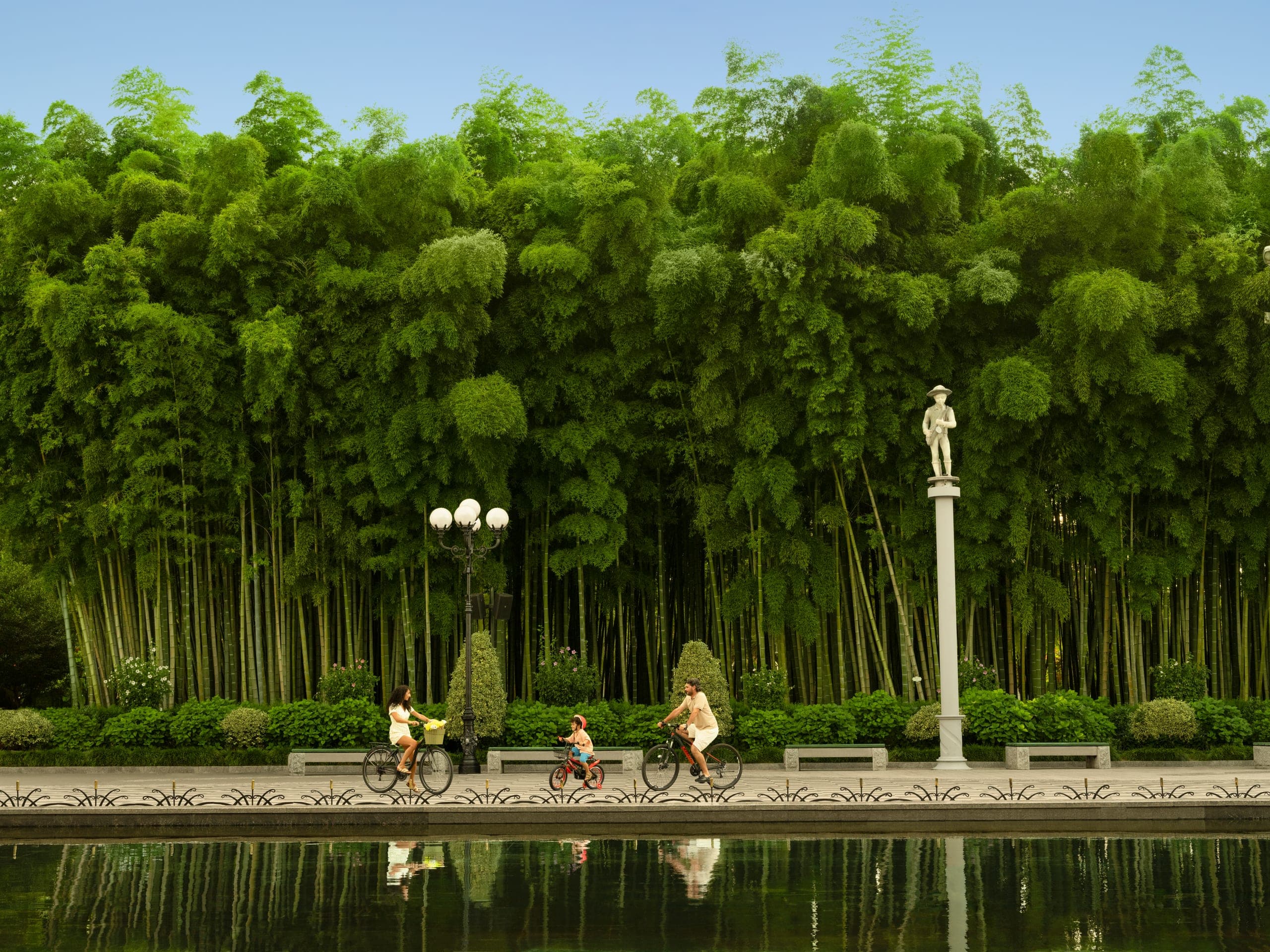
First established in 1881, Batumi Boulevard stretches 7 kilometres along the Black Sea coast. Lined with palm trees, colourful flowers, 40,000 plants, and antique-style colonnades, it's the heartbeat of the city - ideal for a morning jog, a leisurely stroll, or simply watching the waves go by.
 No.06
No.06Batumi Piazza
La dolce vita, Georgian style.
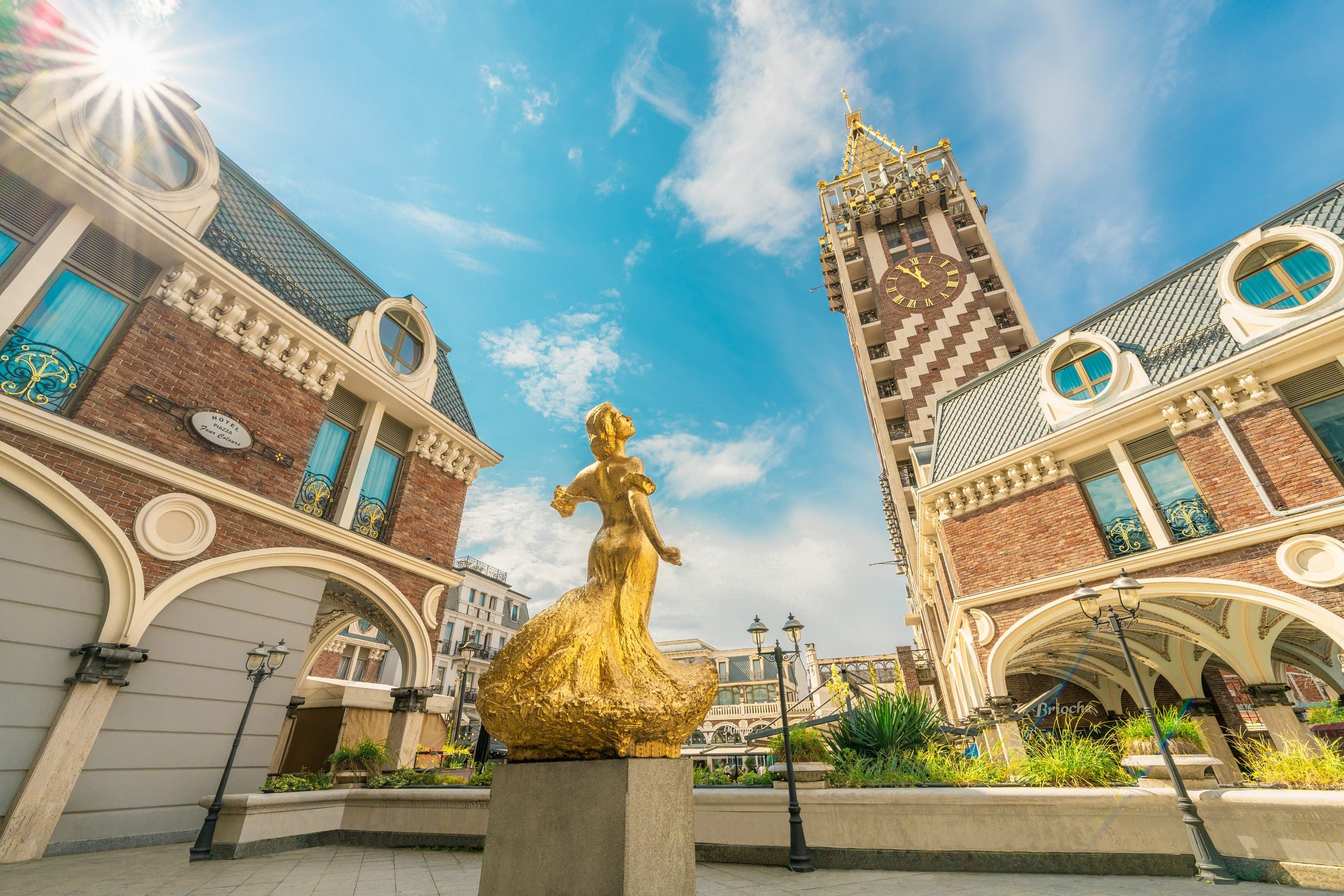
This Italian-inspired square in the heart of Old Batumi is centred around an iconic clock tower and a stunning 106 m² mosaic by celebrated Georgian artist Natali Amirejibi de Pita. Surrounded by hotels, cafés, restaurants, shops, and a live music stage - the kind of place where an hour easily turns into an evening.
 No.07
No.07Europe Square & Medea Statue
Myth meets modernity.
Europe Square is a statement of identity. At its centre stands the golden Medea statue, echoing the ancient myths of the Argonauts and the Golden Fleece. A symbol of Georgia's prosperity and European aspirations, the square is a lively hub for festivals, cultural events, and everyday city life.
 No.08
No.08The Crater & Museum of Ajara
A rare piece of the ancient world.
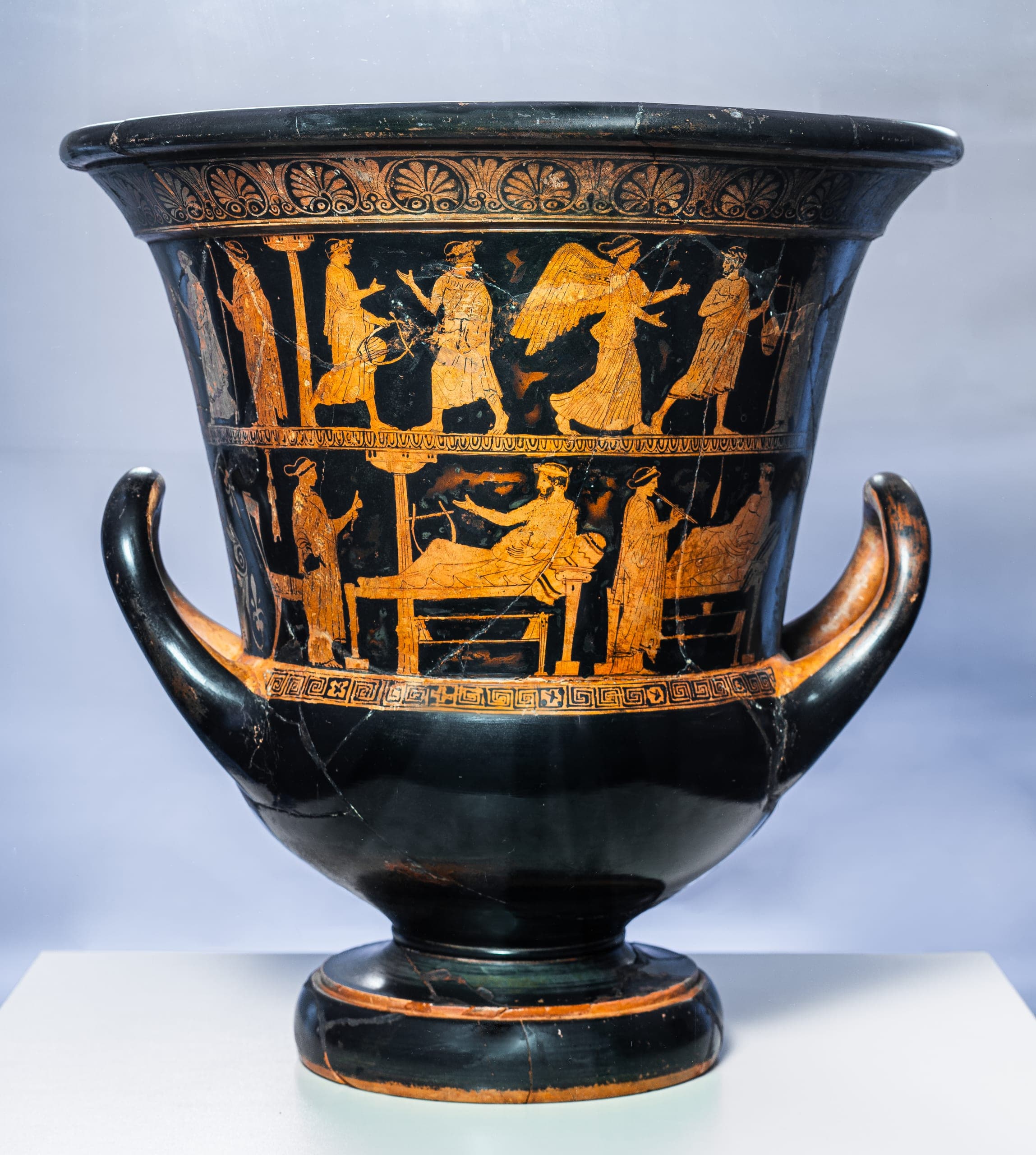
Housed in Batumi's Kh. Akhvlediani Museum of Ajara, this 5th-century crater - 49 cm tall, discovered near Kobuleti in 1967 - is one of just three such objects known to exist in the world. Decorated with scenes from Greek mythology, it's considered a masterpiece of ancient monumental painting.
 No.09
No.09Gonio Fortress
2,700 years of history beneath your feet.
Georgia's oldest surviving citadel, Gonio Fortress dates back to the Roman and early Byzantine periods, with archaeological finds reaching as far back as the 8th–7th centuries BC. Walking through its ancient walls is a genuinely immersive journey through thousands of years of civilisation.
 No.10
No.10Cable Car "Argo"
The city from the clouds.
Built in 2013 as both a tourist attraction and an eco-friendly transport option, the Argo cable car glides from Old Batumi's coastline up to Mount Anuria, 256 metres above sea level. The bird's-eye panorama of the city below is reason enough to ride it.
Mountain adventures in Ajara.
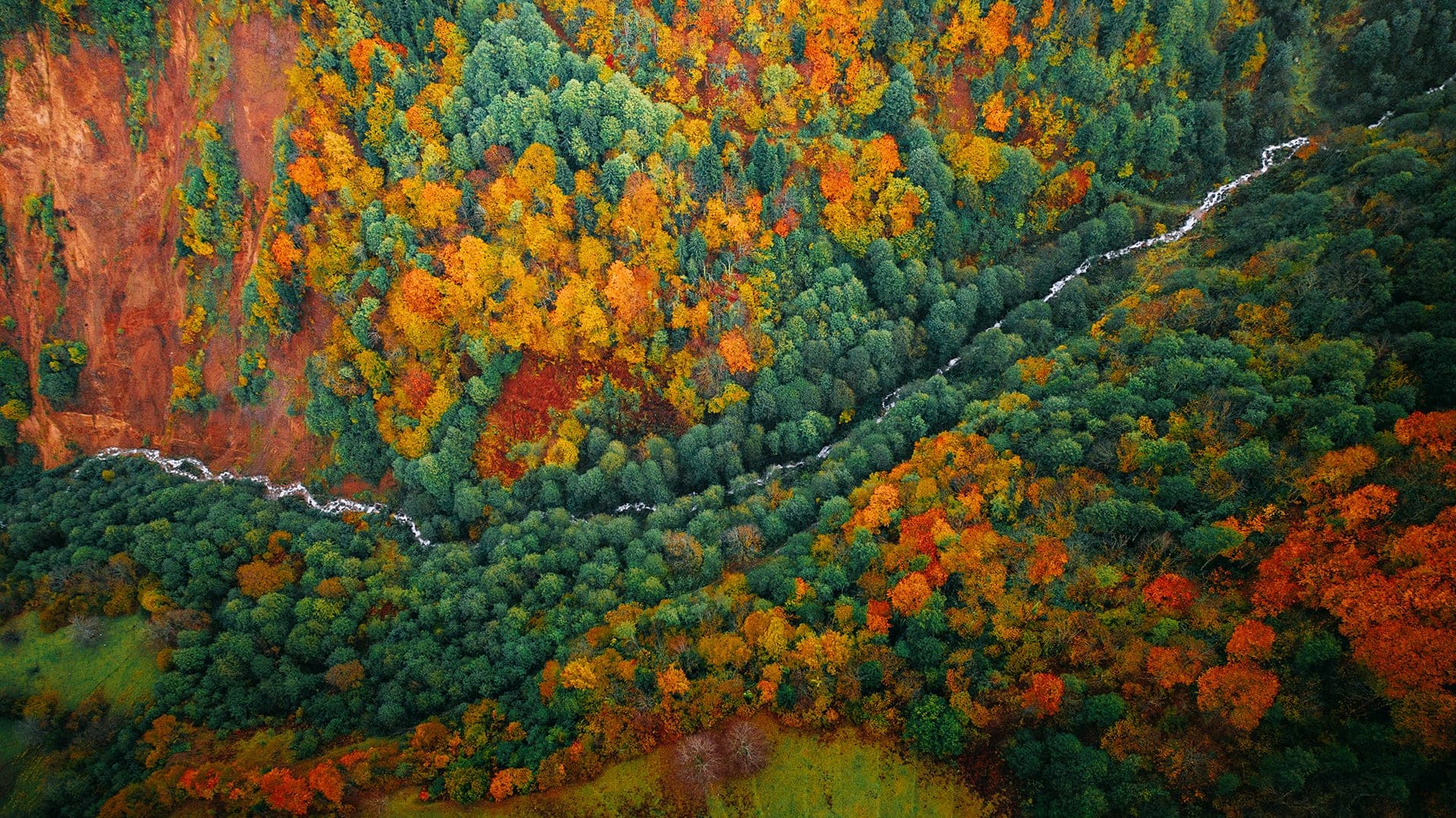
High above the coast, destinations like Beshumi, Merisi, Chirukhi, Jvarimindori, and Chvana offer dramatic scenery, crisp mountain air, and a way of life that feels wonderfully unhurried.
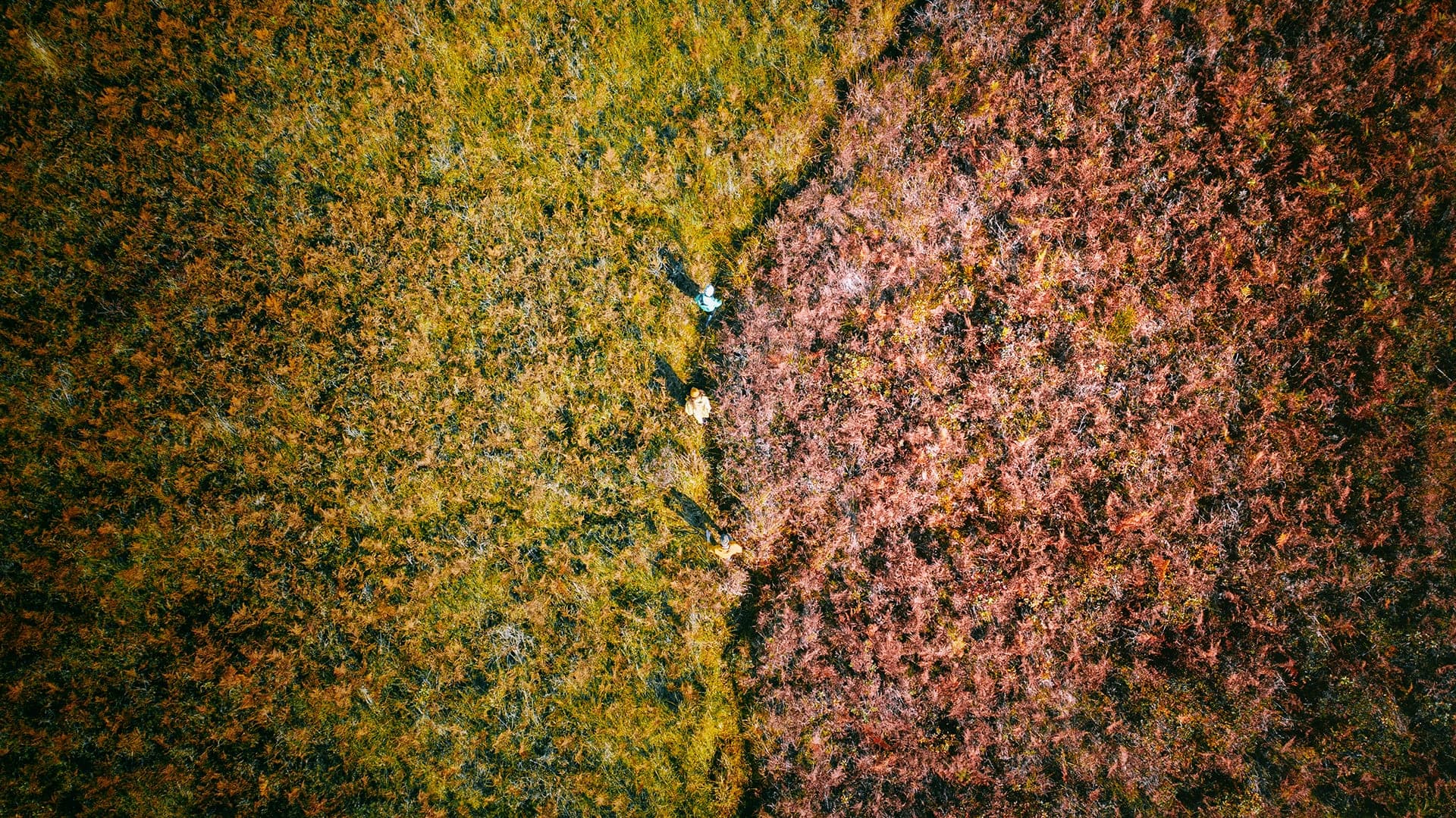
The Ajara highlands are defined by their biodiversity, their distinct local communities, and a climate that shifts dramatically with altitude. For outdoor enthusiasts, the options are rich: camping beneath the stars at the foot of ancient peaks, sleeping in cosy wooden forest houses, or waking up to panoramic mountain views from a beautifully designed eco-cottage or glamping retreat.
Nature lovers will also want to explore the region's protected areas, all recognised under UNESCO World Natural Heritage: Mtirala National Park, Kobuleti Protected Area, and Kintrishi Protected Area - landscapes where biodiversity thrives and sustainability is a way of life.
The ancient art of Qvevri.
Georgia's winemaking story stretches back 8,000 years - one of the oldest wine cultures on Earth.
Central to this tradition is the Qvevri - a traditional clay vessel used for fermenting and storing wine underground - now recognised as part of UNESCO's Intangible Cultural Heritage.
Local Ajarian varieties include the bright and elegant Chkhaveri and the characterful Kedis Tsolikauri. A glass of either is the perfect way to end a long and memorable day.
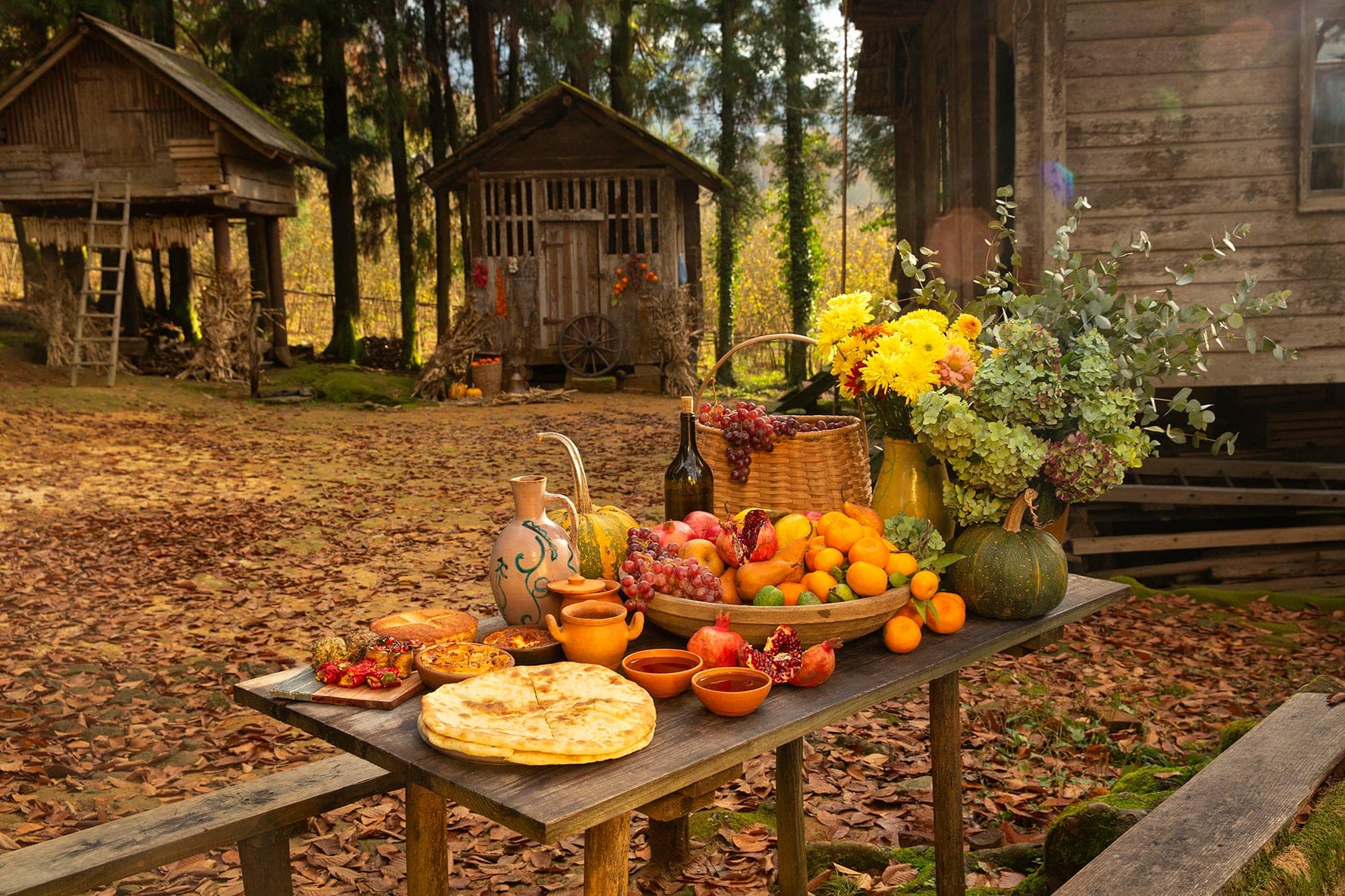
Savouring the flavours of Ajara.
Food in Ajara isn't just sustenance - it's a cultural experience, shaped by centuries of tradition and the extraordinary bounty of its land and sea. Beyond the famous landmarks, the true heart of our culture is found on the dinner table. Here is a guide to the must-try dishes and hidden gems of our local cuisine.